We Buy Houses For Cash: The Fast Path to Selling Your Home
Selling a home is rarely just a transaction. It’s a scramble of repairs, paperwork, schedules, and emotional decision-making. When you hear the phrase “We Buy Houses For Cash,” it can sound either like a shortcut or like something you should be suspicious of. After working with homeowners through the practical side of sales, I can tell you the real story depends on fit. A cash offer can be a lifeline when time matters, but it is not the right answer for everyone.
What cash buyers typically offer is simple: a real estate cash offer that can close quickly, often with fewer contingencies and a straightforward process. What you trade for speed is usually price flexibility, sometimes repair decisions, and occasionally the chance to test the open market.
Let’s walk through what cash offers are actually like, when they help, where the risks hide, and how to protect yourself while still moving fast.
What “We Buy Houses For Cash” usually means
A cash offer means the buyer is prepared to pay without relying on lender financing. In plain terms, there is no mortgage approval timetable floating above your closing date. Many cash purchases are funded with the buyer’s capital, partner funding, or their own financing structure. The end result is often a timeline you can plan around.
The important nuance is this: “cash” does not automatically mean “fair,” and it does not automatically mean “scam.” There are reputable investors, local companies, and well-run programs that buy houses with cash and close on real schedules. There are also fly-by-night operators who rush people into signing, confuse the paperwork, or use misleading marketing.
Your job is not to guess the buyer’s intention. Your job is to verify the offer and the terms, and to understand the trade-off behind speed.
If you’ve been stuck dealing with a job change, a move across town, a tenant situation, or the slow drain of carrying two homes, a cash offer may feel like breathing room. If you’re willing to stage, market, and wait for buyer financing to clear, the open market might still be worth pursuing. Cash simply changes the math.
Why speed is the real selling point
Most homeowners do not choose cash offers because they love the idea of selling “as-is.” They choose it because the calendar is pressing.
Financing buyers often need time for inspections, appraisal timelines, underwriting, and final document signing. Even when the buyer is ready, lenders follow checklists. If anything goes sideways, your closing date can slip by weeks, sometimes more.
With real estate cash offers, many buyers streamline the process. They may still order inspections, check title, and confirm Real Estate Cash Offers property details, but they typically do not wait on the same underwriting path a mortgage requires. That can shorten the timeline significantly.
I’ve seen sellers who were days away from foreclosure on another property negotiate a cash sale with closing in under a month. I’ve also seen sellers who tried to sell “fast” by accepting the first cash number they heard, only to realize later that repair quotes and marketing could have produced a higher net sale.
Speed is powerful, but the decision should be about your situation, not the promise of urgency.
How cash offer pricing usually works (and why it can feel lower)
A cash buyer’s offer often lands below what a seller might receive on the open market. That difference is rarely random. It tends to reflect a few practical realities:
- The buyer is assuming risk. If the property needs major repairs, a cash buyer will price that risk into the purchase.
- The buyer needs room for resale or rehab costs. Even if the buyer plans to rent, they still factor in maintenance and carrying expenses.
- They want margin for their time and effort. Acquiring, managing repairs, and coordinating contractors costs money, even for experienced teams.
Here’s where lived experience matters: many homeowners expect a cash offer to function like an appraisal plus a discount. In reality, it often works like a business case. The buyer looks at comparable sales, the condition of the home, the likely repair scope, and how long repairs might take. Then they offer a number that lets them execute without hoping everything goes perfectly.
This doesn’t mean the first cash offer you receive is automatically too low. It means you should evaluate it as a net outcome, not a sticker price.
If you have $12,000 worth of repairs on a roof, HVAC, and plumbing repairs, the “market value” conversation can get complicated fast. A cash buyer might offer a number that seems low until you tally your likely selling costs and downtime.
When a cash offer can be the right move
Cash sales tend to fit certain situations unusually well. You don’t need to be in crisis, but you do need a clear reason to move quickly or simplify the sale.
People often pursue We Buy Houses For Cash when:
- The home has condition issues that make repairs expensive or disruptive.
- They need to relocate on a strict schedule, like a new job start date or a family move.
- They inherited a property and want to avoid dragging the process out while dealing with uncertainty.
- They are carrying costs and want to stop the bleed, especially if taxes, insurance, or a second mortgage are stacking up.
- They do not want to keep the home show-ready for weeks or months.
I remember working with a seller who had a rental property with tenants still inside. The market sale was possible, but it would have required lengthy coordination, showings, and a buyer who could accept the timeline. A cash offer closed faster and allowed the seller to reorganize their finances without constant interruptions.
That said, if you have a clean, move-in-ready home in a strong neighborhood and you can handle the typical marketing timeline, you may be leaving money on the table by accepting a cash discount.
The best decision comes from matching your goals to the process, not from chasing a headline.
When a cash offer might not be your best option
A cash sale can be the wrong move if it prevents you from maximizing net proceeds.
If your home is in excellent shape, the difference between “market value” and a cash offer might be smaller than you expect. But if you accept a cash offer too early, you may miss the opportunity to negotiate higher terms through traditional channels.
There are also personal situations where speed is not the priority. Some sellers want to stay put, enjoy the timeline, and select the best buyer offer rather than the fastest one. If that sounds like you, the open market might be worth the patience.
And watch for one subtle trap: some sellers accept cash offers because they think cash buyers “do all the work.” In many cases, cash buyers will still need their due diligence. They will still evaluate title, confirm property details, and verify occupancy. You should expect paperwork, deadlines, and decision points, even in a streamlined process.
Fast does not mean effortless. It means different types of effort.
What the process typically looks like
Every buyer runs their workflow differently, but you can expect a familiar sequence: initial contact, property review, offer terms, contract signing, due diligence, and closing.
If the buyer is legitimate, they should be clear about the terms and timeline. If they are vague, aggressive, or push you to sign before you understand the contract, that is a red flag.
A typical cash sale experience often includes:
- a walkthrough or photo-based review,
- a purchase agreement with specific closing dates and contingencies or lack of them,
- a period for title work and property due diligence,
- an appraisal or valuation review on the buyer’s side in many cases (even if financing is not involved),
- then closing with settlement documents.
The biggest practical difference between cash and financed offers is how likely the sale is to fall apart due to lender requirements. Yet cash deals can still fail, usually because of title issues, unmet repairs expectations, or contract misunderstandings. That is why you should focus on the contract language, not just the word “cash.”
Due diligence: what you should verify before you sign
This is where many homeowners feel pressure. When someone offers cash quickly, they want you to move immediately. I understand why that happens. Investors want to lock in deals before competitors do. But you still need to protect yourself.
Here are practical areas to verify, in plain language:
Title and ownership issues matter. If there is an unresolved lien, an unclear inheritance claim, or a tax problem, your closing could stall. Reputable buyers will run title work, but you should still ask questions because you are the one signing away your property rights.
Also, ask what “as-is” means in your agreement. “As-is” affects your obligations, but it does not remove the buyer’s responsibilities under the contract. If the buyer is promising something orally, get it in writing.
Finally, pay attention to how and when money moves. You should receive clear information about earnest money deposits, timelines, and what happens if the deal changes due to inspections, title results, or other issues.
If you are unsure, involve a real estate attorney. The cost of basic legal review can be modest compared to the risk of signing an unclear contract.
A short document checklist that saves headaches
Before you talk numbers, gather the basics. It keeps you from scrambling mid-contract and helps you answer questions quickly.
Common documents homeowners have on hand:
- A recent property tax statement (or the parcel number from your bill)
- Any HOA information, if the home is in a community with dues or rules
- Utility bills or records showing typical service availability
- Recent insurance declarations page, if available
- Any known repair receipts or inspection reports you already have
You do not need a perfect folder, but clarity helps. A buyer who has to chase details will slow down, and that can weaken your negotiation position.
Negotiating a real estate cash offer without losing your leverage
Negotiation does not disappear with cash. It shifts.
With a cash offer, you can often negotiate on:
- price,
- closing date,
- personal property included or excluded,
- occupancy timing,
- and certain contract terms, like what happens if you find additional issues during due diligence.
The most common mistake I see is negotiation without context. People counter with emotion, or they counter because the offer “feels low,” without understanding their own obligations and selling costs.
A better approach is to negotiate net. Calculate what you stand to lose if the sale drags out. For example, consider:
- mortgage payments and insurance until closing,
- property taxes,
- utilities and maintenance,
- yard care or cleaning,
- and the opportunity cost of time.
Then compare that to what you would likely spend if you listed with a realtor, fixed issues for showings, and waited for buyer financing to close.
When you negotiate with numbers, you protect yourself from regret.
Also, do not ignore the timeline. If a buyer offers cash but wants a closing you cannot meet, you lose leverage. A flexible closing date can be worth real money because it can reduce your carrying costs and stress.
Red flags I would not ignore
Not every cash buyer is reputable, and not every “we buy houses” company operates with integrity. Most problems come from poor contract clarity, aggressive pressure, or misinformation.
I cannot tell you to trust someone because they sound confident. I can tell you what to watch for.
Red flags to take seriously:
- They refuse to put key terms in writing, especially repair responsibilities or closing timelines
- They rush you to sign without time to review the contract or ask questions
- They cannot clearly explain how the offer price was calculated
- Their company details are inconsistent, or you cannot verify business registration and contact information
- They try to collect money from you for “processing” or “fees” before the sale is finalized
If you encounter those issues, step back. A legitimate buyer should be able to slow down and communicate clearly.
What happens after you accept the offer
After you sign a cash purchase agreement, you enter the contract period. This is when homeowners often assume the sale is automatically “done.” It’s not. The deal can still hinge on title work, due diligence findings, and agreement on final terms.
The buyer will typically confirm property details and complete their internal process. You should expect documents, deadlines, and sometimes requests for access to the home.
Keep your communication tight and recorded. If the buyer requests repairs, ask for it in writing. If they ask to schedule a visit, verify the date and what they need.
Also, be realistic about moving. Even if closing is scheduled, delays can happen due to title clearance or documentation problems. Build a buffer. When sellers plan removals with a strict day-by-day timeline, delays hurt more.
I’ve seen people get locked into short-term housing because they assumed closing would not slip. With cash offers, slips are less common than with financed deals, but they are not impossible.
A simple timeline to expect (typical ranges)
Cash deals can close quickly, but not every deal is a sprint. The pace depends on title, property complexity, and the buyer’s internal capacity.
A realistic timeline framework:
- Day 0 to offer acceptance: often days to a week, depending on how fast the buyer can review the property
- Contract period: commonly a few weeks, sometimes shorter or longer based on due diligence and title
- Closing: frequently within a month, though it can extend if there are complications
If a buyer promises “guaranteed closing in seven days” without clear steps, treat that as marketing, not a plan.
The trade-offs: price, speed, certainty, and control
Cash offers are a bundle of trade-offs. You get speed and simplified financing, but you may give up some upside and some control.
Here’s how that trade-off usually plays out:
- Price: often lower than retail market value, but sometimes close depending on condition and local demand.
- Repairs: you often choose speed over making the home perfect. In an as-is structure, the buyer handles repairs after purchase.
- Uncertainty: financed deals can fail due to appraisal or mortgage approval. Cash deals can fail too, usually due to title or contract details, but the lender failure risk is reduced.
- Control: in a traditional sale, you control listing decisions and can influence buyer interest. In a cash deal, the buyer drives the closing mechanics.
The right question is not “Is cash better?” It’s “What combination of price and certainty matches my life right now?”
Case examples that mirror real decisions
To make this concrete, here are three realistic scenarios, each with a different outcome.
Scenario 1: The property needs work, and the seller needs out
A seller in an older neighborhood had deferred maintenance for years. The home looked livable, but the roof was nearing the end of its life and plumbing problems showed up in the basement. Listing would have required repairs, staging, and constant scheduling. A cash buyer offered a number that felt low at first. After the seller calculated carrying costs, repair timeline, and the likely cost of preparing for showings, the cash offer became the better net outcome. They avoided months of delays and could plan their next move with a firm date.
Scenario 2: The home is clean, and the seller could test the market
Another seller had a well-maintained property with a strong sale history. A cash offer came in quickly. It was not dramatically below market, but it was still a discount. The seller chose to list traditionally to maximize upside, and the sale closed smoothly. The cash offer sat on the table as a backup if the market slowed. This is the version of cash that works best when you have time.
Scenario 3: A seller feels pressured
A third seller received a cash offer and was told to sign immediately. The buyer did not give clear answers about terms and seemed more interested in urgency than transparency. The seller delayed signing, reviewed the agreement with an attorney, and asked for clarifications about deposits and contingencies. The buyer adjusted their approach and became more straightforward. In the end, the seller proceeded with the sale, but only after ensuring the contract matched what they were promised. That pause likely saved them from a messy outcome.
These stories are not about cash being good or bad. They are about judgment.
How to choose between cash offers and listing
If you’re deciding right now, don’t rely on gut feeling alone. Build a simple comparison based on your real costs and time.
Ask yourself three questions:
First, what is your deadline? If you have a hard date, cash becomes more valuable.
Second, what repairs would you need to make for a traditional listing? If the answer is “a lot,” a https://sell-my-house-fast-in-fart-worth.netlify.app cash offer can reduce stress.
Third, what is your tolerance for uncertainty? If you can handle delays and potential changes, listing might net more. If uncertainty would throw your plans off, cash may be the stabilizer.
You can also request two or three valuations. Even if you do not list, a realtor can provide insight into what your home could sell for and how condition affects pricing. That doesn’t commit you to anything.
Final thoughts on using cash offers wisely
We buy houses for cash because speed matters, and because many sellers want to simplify a process that can become draining. When the home has issues, when timing is tight, or when the seller wants fewer moving parts, a real estate cash offer can be exactly what they need.
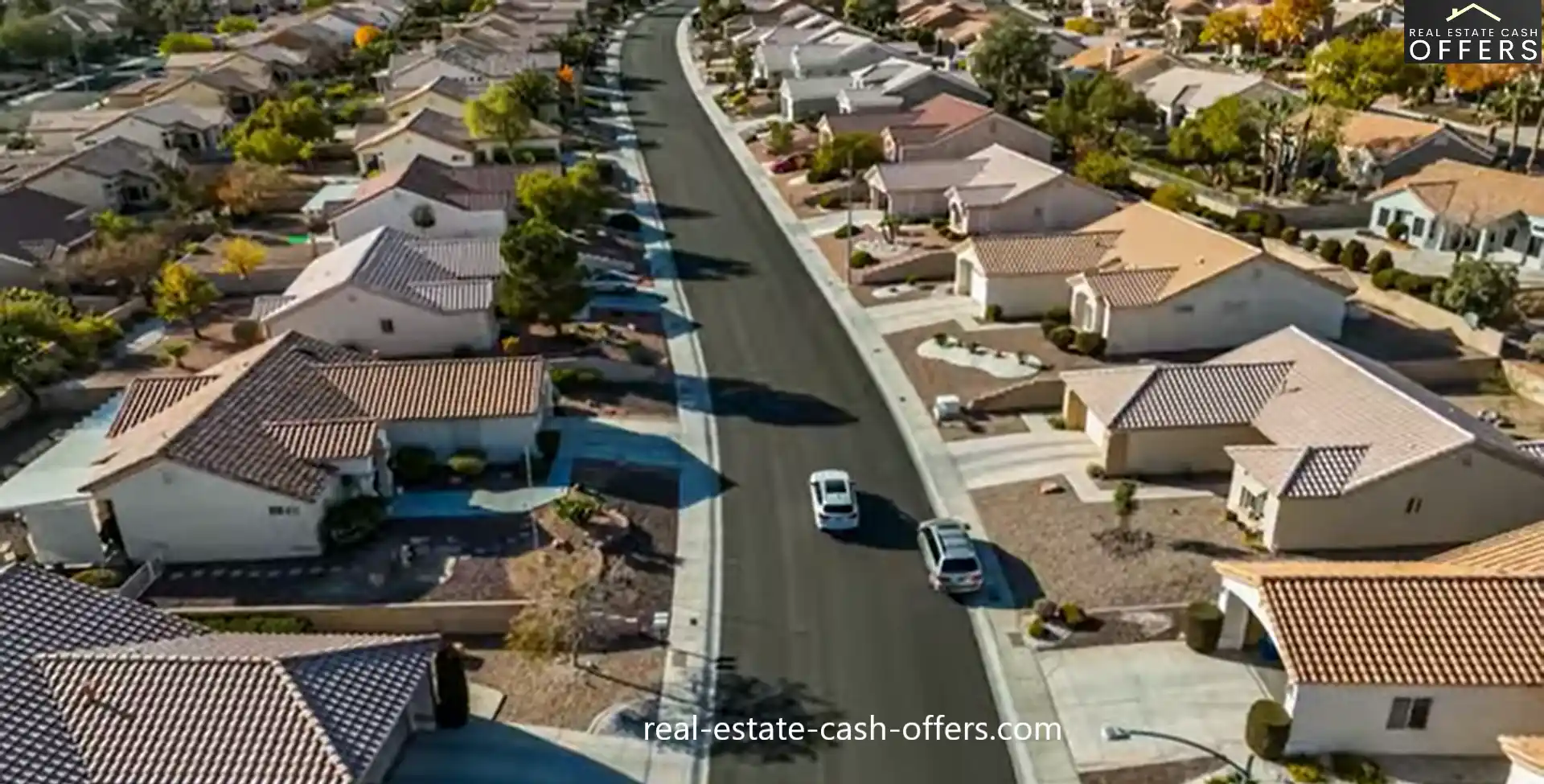
But the smart move is not to treat cash offers like magic. Treat them like business numbers. Verify terms, review the contract carefully, ask about title and timelines, and compare net outcomes. If a buyer wants you to sign before you understand the deal, that is where you should slow down.
If you do it thoughtfully, cash offers can give you a fast path to selling your home, with a plan you can actually live with.
Real Estate Cash Offers
+1 (682) 402-6461
[email protected]
Website: https://real-estate-cash-offers.com/